
Emergency Preparedness for Homeowners
- Sandiya Venturato

- Jul 22
- 2 min read
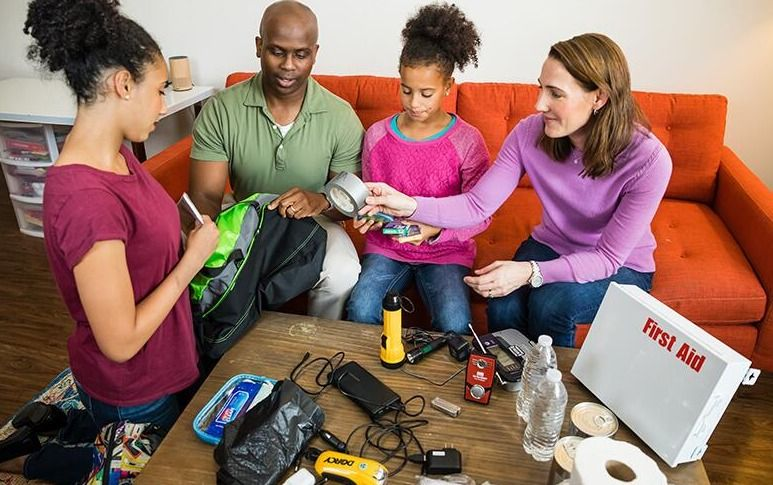
Being prepared for emergencies can help protect your family, your home, and your finances. Whether it's a severe storm, power outage, flood, wildfire, earthquake, or another unexpected event, having a plan in place can make a significant difference when every minute counts.
Why Emergency Preparedness Matters
Preparing ahead of time can help you:
Protect your family during emergencies
Reduce property damage
Respond more quickly to unexpected situations
Minimize stress during disasters
Recover more efficiently afterward
1. Build an Emergency Supply Kit
Keep enough supplies for at least 72 hours, or longer if possible.
Include:
Drinking water
Non-perishable food
Manual can opener
First aid kit
Prescription medications
Flashlights
Extra batteries
Portable phone charger or power bank
Battery-powered or hand-crank radio
Blankets
Hygiene supplies
Multi-tool
Cash in small denominations
2. Create a Family Emergency Plan
Every household should know:
Emergency contact numbers
Meeting locations
Evacuation routes
Shelter locations
Responsibilities for each family member
Plans for pets
Practice your emergency plan at least once or twice a year.
3. Know How to Shut Off Utilities
Learn how to safely turn off:
Electricity
Natural gas (if applicable)
Water supply
Only shut off utilities when it is safe to do so and when recommended by local authorities or utility providers.
4. Protect Important Documents
Store copies of important documents in a waterproof and fire-resistant container or secure digital storage.
Examples include:
Identification documents
Insurance policies
Property deeds
Medical records
Financial information
Emergency contact list
5. Prepare for Power Outages
Keep essential supplies ready, including:
Flashlights instead of candles when possible
Extra batteries
Power banks
Backup charging options
Ice packs or coolers for refrigerated food if needed
If using a portable generator, always operate it outdoors and away from doors, windows, and vents to prevent carbon monoxide poisoning.
6. Maintain Home Safety Equipment
Regularly:
Test smoke alarms
Test carbon monoxide detectors
Inspect fire extinguishers
Replace batteries as recommended
Review expiration dates on emergency supplies
7. Protect Your Home
Reduce potential damage by:
Securing outdoor furniture before storms
Trimming dead tree branches
Cleaning gutters and drains
Reinforcing doors and windows where appropriate
Keeping fire hazards away from the home
8. Review Your Insurance Coverage
Understand what your homeowners insurance covers and what it doesn't.
Consider reviewing:
Dwelling coverage
Personal property coverage
Liability protection
Flood insurance (often purchased separately)
Earthquake insurance (where available and appropriate)
Emergency Contacts to Keep Handy
Local emergency services
Utility companies
Family members
Neighbors
Insurance provider
Primary healthcare provider
Veterinarian (if you have pets)
Emergency Preparedness Checklist
✔ Assemble an emergency supply kit.
✔ Create and practice a family emergency plan.
✔ Learn how to safely shut off utilities.
✔ Store important documents securely.
✔ Test smoke and carbon monoxide alarms.
✔ Review your insurance policies.
✔ Charge emergency power banks regularly.
✔ Keep emergency contact information updated.
Pro Tip
Preparation is most effective when it's done before an emergency happens. Review your emergency kit, update your family plan, and inspect your home's safety equipment at least twice a year. Small steps taken today can make a big difference when facing an unexpected disaster.



Comments