
Open House Success Tips to Make Your Home Stand Out
- Sandiya Venturato

- 15 hours ago
- 5 min read
A great open house doesn’t start when the first buyer walks in. It starts days before, when you begin shaping the way the home feels, smells, flows, and photographs.
The goal is simple: help buyers picture themselves living there. That means less clutter, more light, cleaner surfaces, and a warm welcome that feels easy, not staged to the point of feeling fake. These open house success tips will help your home make a strong first impression and keep buyers interested after they leave.

Start with staging that helps buyers see the space
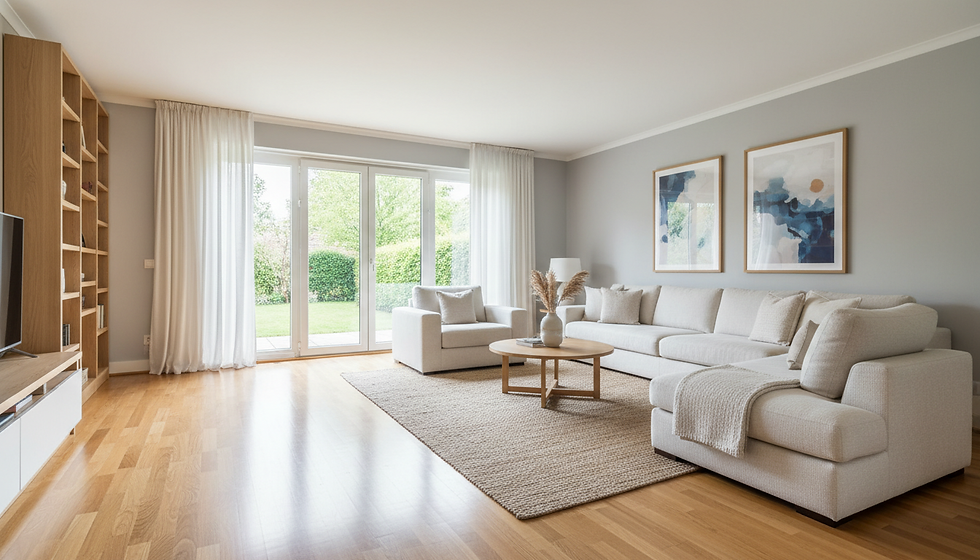
Good staging isn’t about making your home look like a showroom. It’s about making each room feel clear, useful, and comfortable.
Start by walking through your home as if you’ve never seen it before. What does each room seem to be for? If a dining room has become a homework zone, storage spot, and mail station, simplify it. Let the dining room be a dining room.
A few staging moves make a big difference:
Remove extra furniture so walkways feel open.
Keep surfaces mostly clear, with one or two simple accents.
Use neutral bedding, towels, and throw pillows.
Open curtains and blinds to bring in natural light.
Add fresh flowers or a bowl of fruit for warmth.
Put away personal photos, trophies, and strong political or religious items.
Buyers don’t need a blank house. They need a home that feels easy to understand. If a bedroom is small, use lighter bedding and fewer pieces of furniture. If the living room feels dark, add lamps and pull back window coverings.
Don’t forget scent. Skip heavy candles or plug-ins, since strong fragrance can make people wonder what you’re hiding. Fresh air, clean floors, and a lightly scented soap in the bathroom are usually enough.

Use a cleaning checklist so nothing gets missed
Buyers notice the little things. Dust on baseboards, fingerprints on doors, crumbs in drawers, and streaks on mirrors can quietly work against you.
A deep clean before the open house is worth the effort. If you can, start a few days ahead so you’re not rushing the morning of the event.
Focus on the areas buyers inspect closely:
Kitchen counters, sink, stovetop, and appliances
Inside the oven, microwave, pantry, and cabinets
Bathroom mirrors, grout, faucets, toilets, and shower doors
Floors, rugs, stairs, and baseboards
Windows, blinds, ceiling fans, and light fixtures
Closets, laundry area, garage, and storage spaces
Pet areas, litter boxes, food bowls, and bedding
Front porch, walkway, mailbox, and exterior doors
Closets deserve special attention. Buyers will open them. Make them look roomy by removing off-season clothes, extra boxes, and anything you don’t need daily. A half-full closet feels larger than one packed from wall to wall.
The same goes for the garage. It doesn’t have to look perfect, but it should look functional. Stack bins neatly, sweep the floor, and clear a path so people can move around without stepping over things.
Make the home feel welcoming from the curb to the kitchen
The open house experience starts outside. If the front yard looks tired, buyers may walk in with lower expectations.
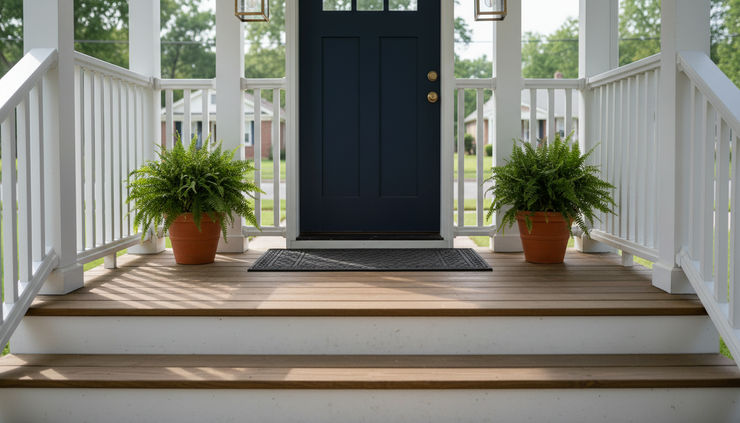
Mow the lawn, trim overgrown shrubs, sweep the porch, and wash the front door. Add a clean doormat and a simple planter if the season allows. Small updates can make the home feel cared for before anyone steps inside.
Inside, set the temperature to a comfortable level. Turn on lights in every room, even during the day. Soft music can work if it’s low and neutral, but silence is fine too. The home should feel calm, clean, and easy to explore.
If pets live in the home, make a plan for them to be elsewhere during the open house. Even friendly pets can distract buyers, and some people have allergies or fears. Remove pet toys, food bowls, and litter boxes if possible.

Promote the open house where buyers are already looking
A beautiful open house still needs people to show up. Your marketing plan should make the event easy to find and easy to understand.
Make sure the listing has clear photos, accurate details, and the open house date and time. The best photos show bright rooms, clean surfaces, and the home’s strongest features. If the backyard, kitchen, or primary bedroom is a selling point, lead with that in the listing description.
A few practical ways to spread the word include:
Listing the open house on major home search sites
Mentioning nearby amenities buyers care about
Using clear directional signs where allowed
Sharing the event with neighbors who may know interested buyers
Preparing printed property details for visitors
Keep flyers simple. Include the price, square footage, number of bedrooms and bathrooms, key updates, and a few standout features. Buyers often visit several homes in one day, so a clear handout helps them remember yours.
Pick the right timing and create an easy flow
Weekend afternoons are common for open houses because many buyers are off work. That said, your best timing may depend on the local market, commute patterns, weather, and other events nearby.
Try to avoid scheduling during major holidays, big local events, or severe weather if you have flexibility. Give yourself enough prep time before the doors open. The final hour before an open house always goes faster than expected.
Before the event starts:
Put valuables, medications, bills, and personal documents away.
Empty trash cans.
Open blinds and turn on lights.
Set out property flyers.
Unlock interior doors.
Do one final sweep for clutter.
During the open house, buyers should feel free to look around without pressure. A friendly greeting matters, but hovering can make people uncomfortable. Let them explore, then be ready to answer questions about updates, utilities, neighborhood features, and offer timing.
Follow up while the home is still fresh in buyers’ minds
The open house isn’t over when the last visitor leaves. Helpful follow-up can turn casual interest into serious interest.
Review feedback as soon as possible. Did several buyers mention the same concern? If people thought a room felt dark, add lighting before the next showing. If the price came up often, talk with your agent about what that means in context.
Good follow-up is polite and specific. Interested buyers may need a reminder about recent updates, property details, or next steps. If you’d like help preparing, pricing, or planning your open house, get in touch here and ask about a strategy that fits your home.
Frequently Asked Questions
How early should I start preparing for an open house?
Start about a week ahead if you can. Use the first few days for decluttering and repairs, then clean and stage closer to the event.
Should I stay home during the open house?
Usually, it’s better to leave. Buyers tend to speak more freely and spend more time looking when the owner isn’t there.
What should I hide before an open house?
Put away valuables, medications, financial papers, personal documents, spare keys, and anything with private information.
Do I need professional staging?
Not always. Many homes benefit from simple edits like removing clutter, rearranging furniture, and adding fresh linens. Professional staging can help if the home is vacant or oddly laid out.
What matters most to buyers during an open house?
Cleanliness, light, layout, storage, condition, and overall feel usually matter most. Buyers want to feel comfortable and confident as they walk through.
A standout open house is built on small, smart choices
You don’t need to make your home perfect. You need to make it feel cared for, easy to tour, and easy to imagine living in. Focus on clean spaces, clear rooms, warm details, and thoughtful follow-up. When buyers feel welcome and remember the home for the right reasons, you’ve done your job well.

Comments