
Emergency Fund Tips for Homeowners
- Sandiya Venturato

- Jul 15
- 2 min read
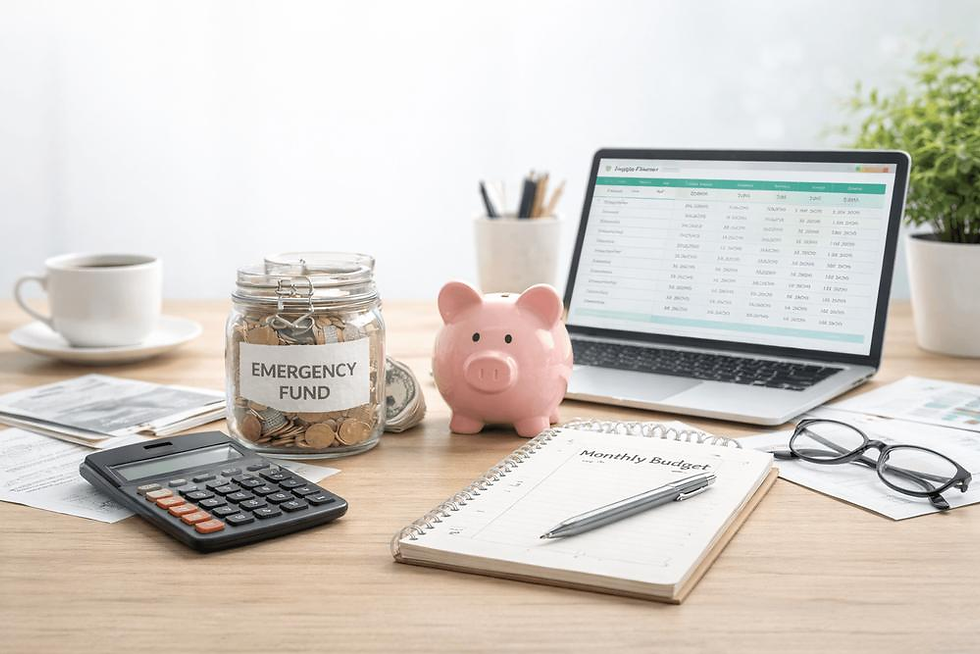
Owning a home means planning for unexpected expenses. An emergency fund can help you handle repairs, job loss, or natural disasters without relying heavily on credit cards or loans.
💰 Set a Savings Goal
A good target depends on your situation:
3–6 months of living expenses if your income is stable.
6–12 months if you're self-employed, have variable income, or rely on a single household income.
In addition, consider setting aside a separate home repair fund equal to 1–3% of your home's value per year for maintenance and unexpected repairs.
🏠 Prioritize Common Home Emergencies
Your fund should be able to cover unexpected costs such as:
Roof leaks or storm damage
Plumbing emergencies
HVAC or furnace replacement
Water heater failure
Electrical repairs
Appliance breakdowns
Tree removal after storms
Insurance deductibles
📅 Save Consistently
Set up automatic transfers to a dedicated savings account.
Save a fixed amount from every paycheck.
Add tax refunds, bonuses, or other windfalls to your emergency fund when possible.
💳 Keep the Money Accessible
Choose an account that is:
Easy to access in an emergency.
Separate from your everyday spending account.
Earning interest, such as a high-yield savings account, while keeping the funds readily available.
🛠️ Reduce Surprise Expenses
Preventive maintenance can lower the chance of major repairs:
Service your HVAC system annually.
Clean gutters regularly.
Inspect the roof after severe weather.
Seal windows and doors.
Address small leaks before they become costly problems.
📑 Review Your Insurance
Make sure you understand:
Your homeowners insurance deductible.
What types of damage are covered.
Whether you need additional flood, earthquake, or wind coverage based on where you live.
🚫 Use the Fund Only for True Emergencies
Appropriate uses include:
Essential home repairs
Medical emergencies
Temporary loss of income
Major vehicle repairs needed for work
Emergency travel for family crises
Avoid using it for:
Vacations
Home upgrades or renovations
Holiday shopping
Routine maintenance you've planned for
🔄 Replenish After Use
If you need to tap into your emergency fund, make rebuilding it a priority by increasing your savings until you return to your target balance.
✅ Homeowner Emergency Fund Checklist
☐ Save at least 3–6 months of living expenses.
☐ Build a separate home repair reserve.
☐ Automate monthly savings.
☐ Keep funds in an accessible savings account.
☐ Maintain adequate insurance coverage.
☐ Perform regular home maintenance.
☐ Rebuild the fund after any withdrawal.
A well-funded emergency reserve provides financial flexibility and helps you respond to unexpected repairs or income disruptions with greater confidence.



Comments